Valle Lucula: the shaded valley
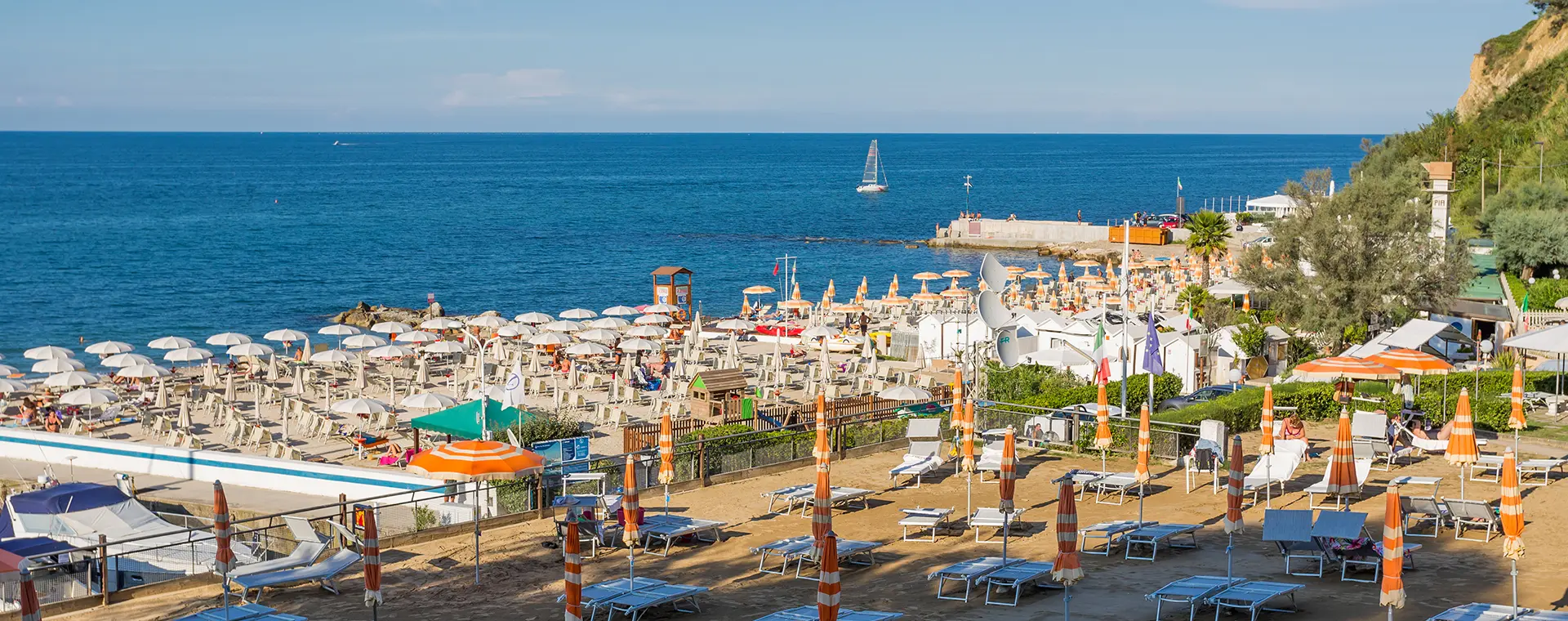
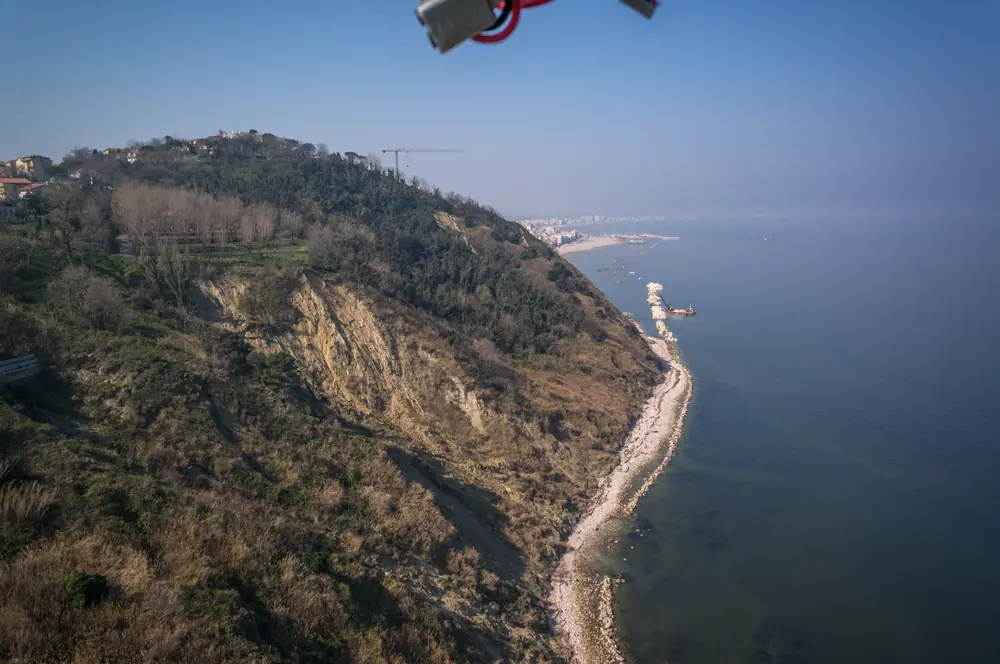
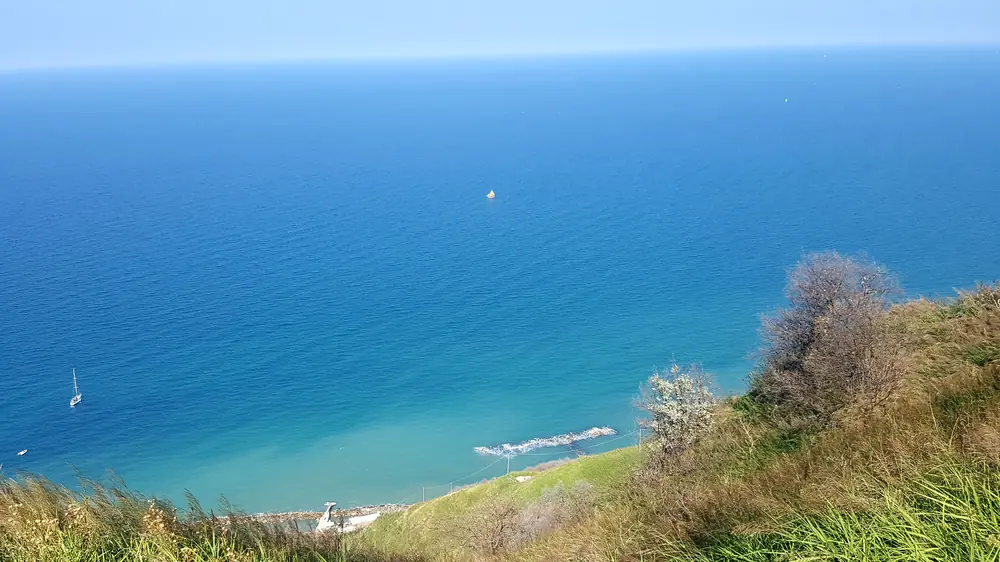
The first hypothesis derives Vallugola from the Latin Valle Lucula, meaning "shaded valley" or "small shady valley". The adjective lucula, a diminutive of luca in the sense of woodland or sheltered place, would describe the shape of the valley cut into the San Bartolo cliff: a deep, narrow depression, formerly covered by dense woodland vegetation.
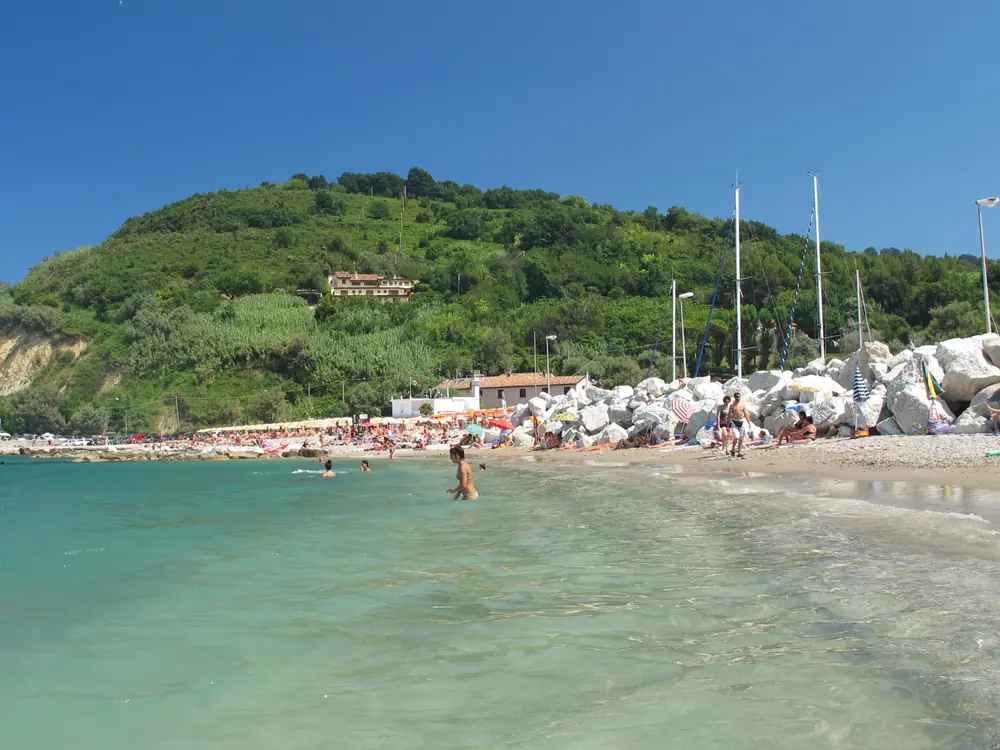
The proposal is plausible on both linguistic and landscape grounds. Until the middle of the twentieth century, before the recent changes, the inland side of the San Bartolo retained dense vegetation, with mixed woods of hornbeam, Turkey oak and Mediterranean shrubs. The little valley descending towards the harbour is, to this day, the most distinctive morphological feature of the site.
Phonetically, the evolution from Valle Lucula to Vallugola is consistent with the syncope and assimilation processes typical of the shift from late Latin to the vernaculars of central Italy: the loss of the internal vowel and the adaptation of the consonant cluster produce the current form without strain.
Valle dell'ugola: the echo hypothesis
The second hypothesis recalls an acoustic phenomenon documented in the bay: the particular shape of the inlet, enclosed between converging cliffs, produces a distinct echo that returns sounds from the beach or from the boats with marked clarity. From this feature the name valle dell'ugola ("valley of the voice", in reference to the uvula) would derive, a metaphorical nod to the voice and the sound that the bay sends back.
The hypothesis is less robust linguistically, as it assumes a late composition of the name from vernacular Italian elements rather than from a Latin base. It is, however, cited in local sources from the nineteenth century onwards and has been popular in oral tradition for its correspondence with a perceptual experience that is easily verified on the spot.
Historically, a name linked to an acoustic phenomenon is consistent with the medieval and modern practice of naming places after immediate features of the landscape. The hypothesis remains plausible but is not supported by ancient documents.
Vallis uvula: the valley of the small grapes
The third hypothesis proposes a derivation from Vallis uvula, "valley of the small grape", in reference to the cultivation of the vine and the production of wine as goods traded at the small port. The hypothesis rests on a documented historical feature: the wine trade is attested in the traffic of the San Bartolo harbours from Roman times, and the discovery of a Roman dolium in the waters of the bay — a container typically used to transport wine — provides material proof.
The Adriatic side of the San Bartolo, facing east and sheltered from the cold north-westerly winds, has climatic and soil conditions favourable to viticulture. Agricultural sources from the medieval and modern periods record the presence of vineyards on the holdings of the ridge villages.
Linguistically, the derivation presupposes a semantic specialisation of the term uvula consistent with late agricultural Latin. The proposal is less common in local sources than the first two but is cited in some regional etymological studies.
A note on method
The three hypotheses are not mutually exclusive. In Italian place names of ancient origin it is common for the definitive form to result from a layering of meanings, in which a base etymology — perhaps a descriptive one — is reinterpreted in later periods in the light of new knowledge of the place. Vallugola may, in this sense, be a name that has preserved the descriptive root of a shaded valley and gained, over time, readings linked to the echo and to viticulture.
The strongest element is still the first hypothesis: Valle Lucula, shaded valley, is the proposal most consistent with the morphology of the site and with the rules governing the evolution from Latin to the vernacular. The other two, suggestive as they are, have the value of later readings or folk etymologies developed by local tradition to make sense of specific features of the place.
The name in the sources
The earliest documentary attestations of the name in a form close to the current one date to the late medieval period, coinciding with the documentation of the ridge castles and their maritime landings. In the parchments relating to the disputes between Pesaro and Rimini, the harbour is recorded with the variable spellings typical of texts of the period, all traceable to the same root. The form "Vallugola" stabilises between the sixteenth and seventeenth centuries, alongside the wider use of administrative and cartographic writing.
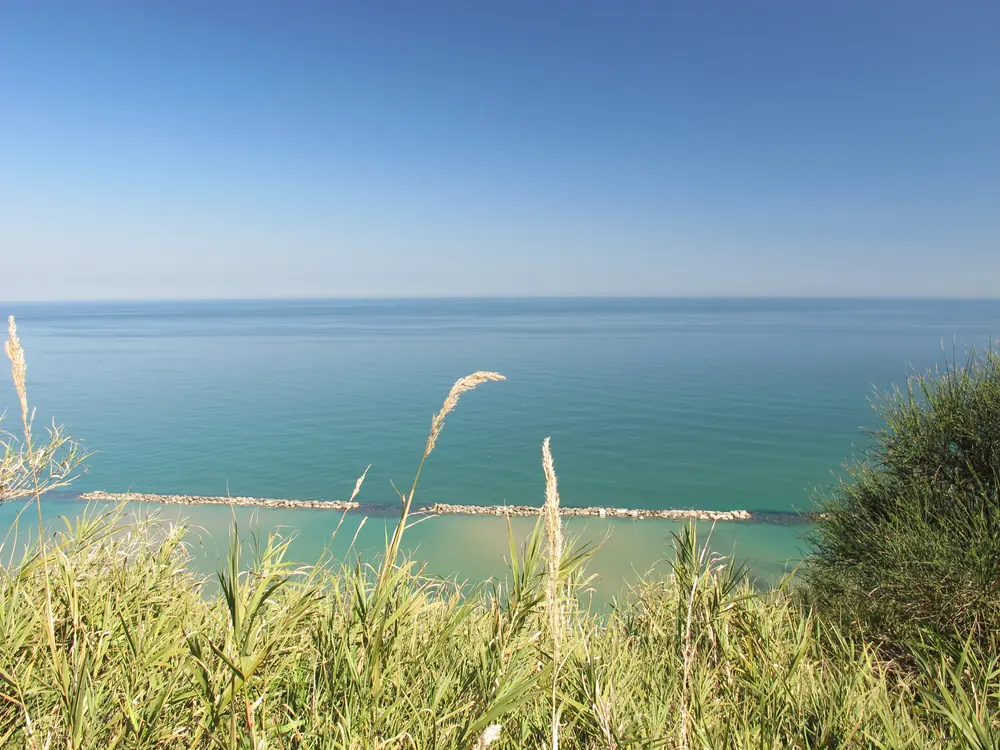
The name is associated today with three distinct geographical entities all referring to the same place: the bay, understood as the natural inlet; the harbour, an active tourist facility; and the locality, the administrative designation of a hamlet of the municipality of Gabicce Mare.